Under-resourced communities deserve the same shot at federal funding.
Hundreds of federal and state programs exist to fund water systems, roads, broadband, and housing. Most small communities never apply — not because they don't qualify, but because the system takes expertise they can't afford.
Funding to one solution might not address the full problem.
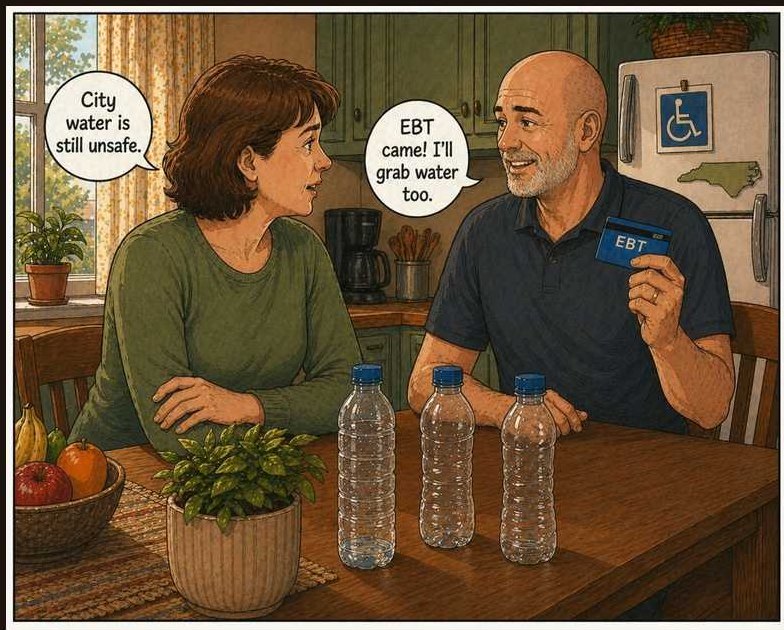
"The city water has been unsafe for eleven months."
USDA Water & Waste funding could have helped. The town just didn't know to apply.
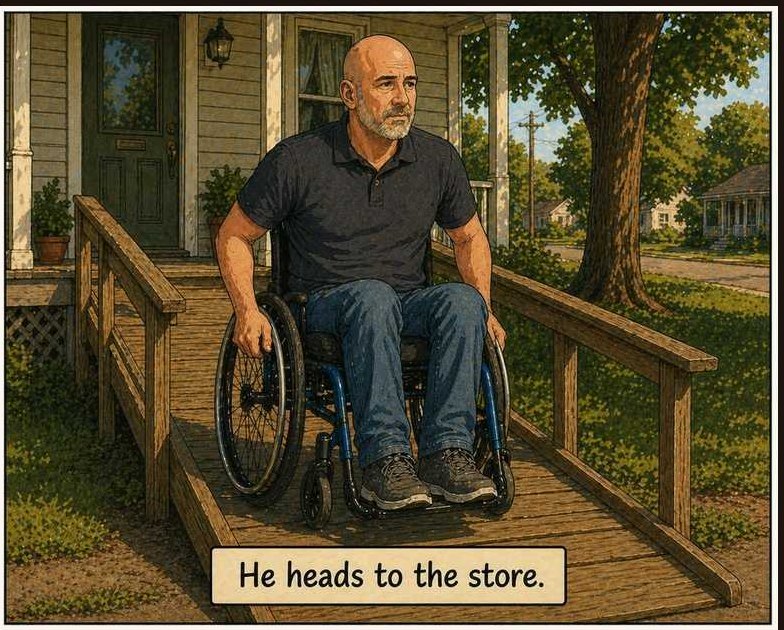
"The ramp works. He heads to the store."
A neighbor built the ramp. It took two weekends, scrap lumber, and a favor. It's good enough until it isn't.
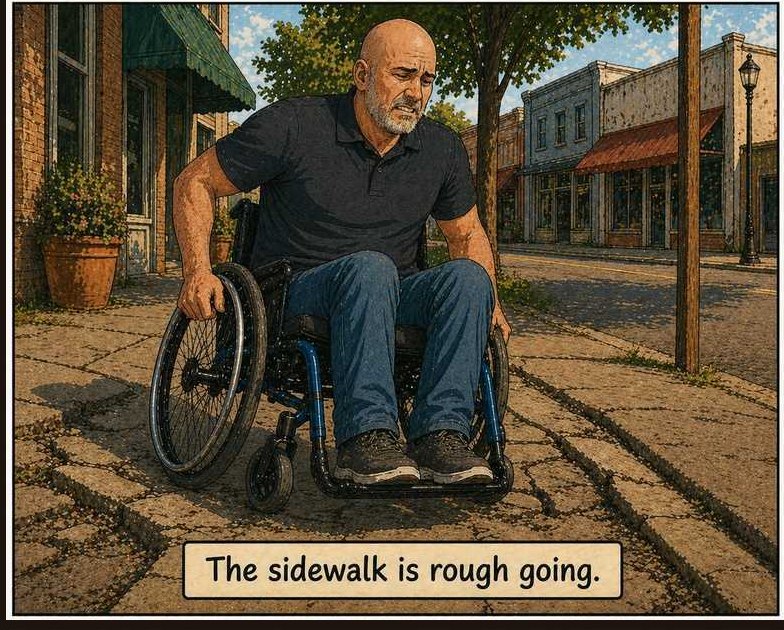
"The sidewalk is rough going."
Three blocks of crumbling concrete between him and the store. A CDBG infrastructure grant could have repaired it twice over.
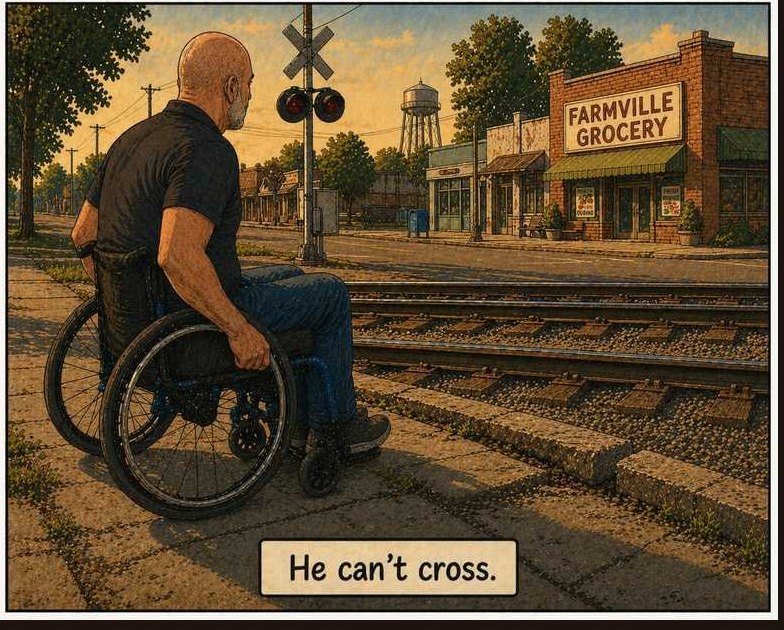
"He can't cross."
The grocery store is sixty feet away. There's no accessible crossing. An NCDOT Transportation Alternatives grant could have built one.
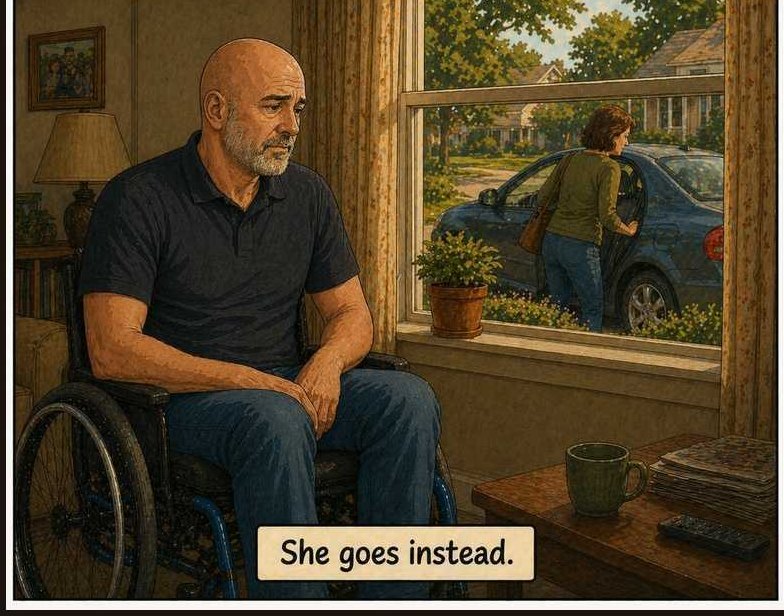
"She goes instead."
She's gone instead for years. On days like today, the drive feels longer.
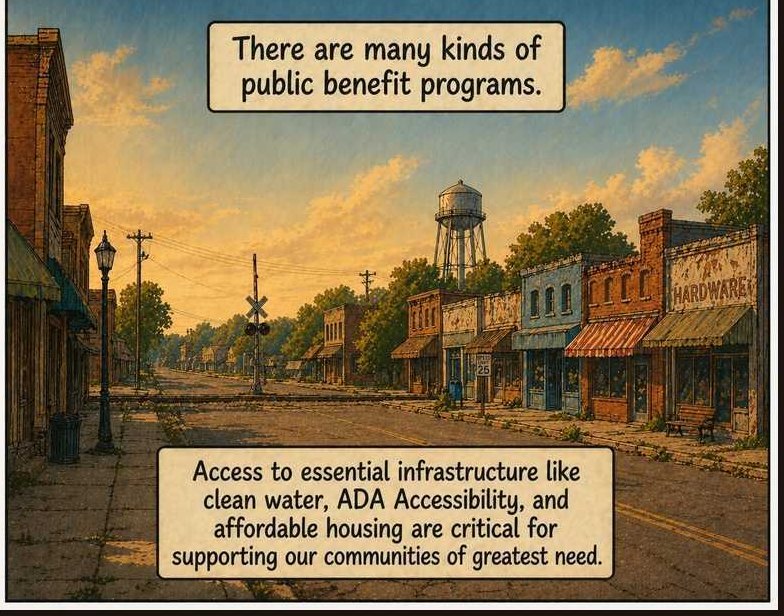
"We've always done it ourselves."
Programs exist for almost all of it. Application windows open and close. The town keeps persisting.
Composites — every detail drawn from real communities in North Carolina and across the rural South.
Describe what you need. We find the programs.
Small communities rarely have a grants office. The one person who might apply is the same person managing the water system, answering phones, and attending every council meeting.
Funding Finder was built for that person — to give them a fighting chance in an hour, not a consultant and six months.
- 1
Pick your community
Search any municipality or county. Population, tier, and eligibility signals load automatically.
- 2
Review your profile
Confirm your eligibility signals — population cap, county tier, CDBG entitlement, and federal designations.
- 3
Set your priorities
Describe your needs in plain language. The tool extracts priority areas mapped to grant categories — no grant jargon required.
- 4
Review your matches
Programs are pre-screened for hard eligibility rules, then ranked against what you care about.
- 5
Draft your letter
Generate a personalized Letter of Interest pre-filled with your community data and the right program contact.
Live in North Carolina. Expanding in 2026.
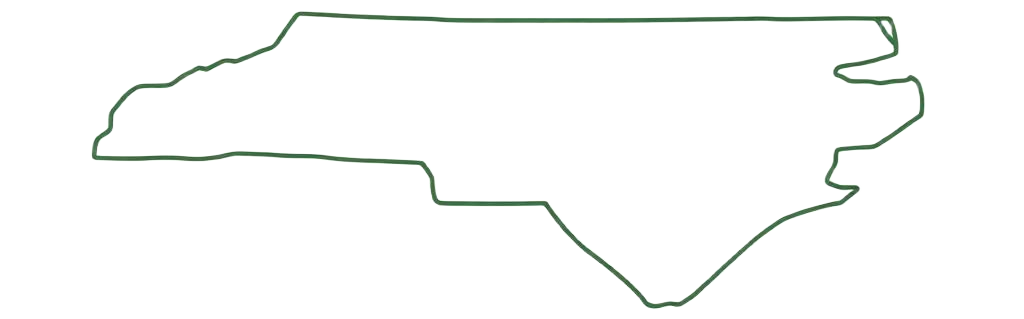
- Live
North Carolina
500+ municipalities and counties indexed. Eligibility data, federal designations, and AI matching all active.
- Live
AI matching & LOI generation
Claude-powered priority extraction, program ranking, and Letter of Interest drafts active for all registered users.
- Live
Automated data refresh
Program data stays current via automated ETL runs checking 14 federal sources on a rolling basis.
- On the roadmap
Additional states — 2026
The pipeline and matching engine are designed for multi-state expansion. Next states depend on partner support.
- 500+NC communities indexed
- 74programs pre-screened for you
- 14federal data sources
- $0cost for users
Rural communities need you.
Funding Finder is free for community planners. Sustaining and growing the platform — to new states, more programs, and deeper AI capabilities — requires partners who believe in equitable access to public resources.
Get in touch